How to Capture Stunning Pet Photography in Australia’s Scenic Landscapes
Prepare for the Shoot
In the world of pet photography, the foundation of a great session lies in meticulous preparation. For instance, choosing ideal locations is paramount. Federation Square, with its iconic structure and vibrant atmosphere, serves as a fantastic backdrop. It's well-known among pet enthusiasts for providing a stimulating yet safe environment. As a pet sitter, knowing the best spots in Melbourne can help create a relaxed setting, making pets more cooperative during the shoot.
Timing your lighting perfectly can transform an ordinary photo into something truly magical. Aim for the golden hour—right after sunrise or just before sunset—when natural light is soft and ambient. This kind of lighting creates beautiful highlights and reduces harsh shadows, which is particularly flattering for capturing the nuanced textures of your pet's fur.
Don't forget to pack the essential gear. Beyond your camera, consider lenses that can accommodate different shooting scenarios. A fast prime lens can be invaluable for capturing movement while maintaining sharpness. Also, a reliable tripod and a few treats or toys to maintain a pet's focus are crucial. Such items not only aid in achieving that on-point focus but also ease the pet's comfort, enriching the overall experience.
In photography, as in pet sitting, some of the best shots result from a mix of well-laid plans and spontaneous moments. Each shoot is an exciting opportunity to capture the personality and spirit of the pet you're working with. Seeing your pet’s personality shine through the lens is truly rewarding for both the pet sitters brisbane and the photographer.
Engage With Pets Naturally
Build Quick Pet Rapport
Connecting with animals quickly involves patience and observation—traits akin to capturing the thriving art scene in Fitzroy through your lens. Upon arrival, I find it beneficial to offer the pet a few moments to acclimate while I observe their interactions. This brief observation helps me gauge their comfort levels and unique behaviors. Mimicking their energy and movements, in a gentle manner, often puts them at ease and facilitates a natural and engaging photoshoot environment.
Use Treats and Toys Strategically
Treats and toys are indispensable tools for engaging pets during a shoot. I always have a variety of these on hand, akin to the way a versatile lens kit is essential for a photographer. For instance, a toy held just above the camera lens can capture the pet’s attention and create an engaging shot. This strategy mirrors how one might captivate the essence of the dynamic Federation Square, bringing a focal point that makes the scene compelling.
Capture Candid Moments
Candid shots are like unexpected treasures found when exploring the lush landscapes of the Royal Botanic Gardens: they tell authentic stories. Keeping your camera ready at all times is crucial, as pets, like the vibrant flora, often move unexpectedly and present spontaneous moments worth capturing. I recommend using a fast shutter speed to ensure those moments are crisp and full of life. Whether working with pet sitters gold coast or independently, balancing posed and candid shots can result in a vivid, memorable gallery.
Master Composition Techniques
Use Rule of Thirds
As a seasoned photographer, I find that harnessing the rule of thirds can transform a simple pet portrait into an engaging piece of art. This technique involves dividing the frame into a 3x3 grid, positioning the subject—like a curious cat or a playful dog—along one of the gridlines or at an intersection. This off-centre placement often creates a more dynamic image, adding depth and interest that might otherwise be absent. When you apply this principle, be sure to capture expressions or quirky features, like a dog's alert ears or a cat's swishing tail, which can enhance the overall composition and provide a unique perspective that your clients will love.
Focus on Pet’s Eyes
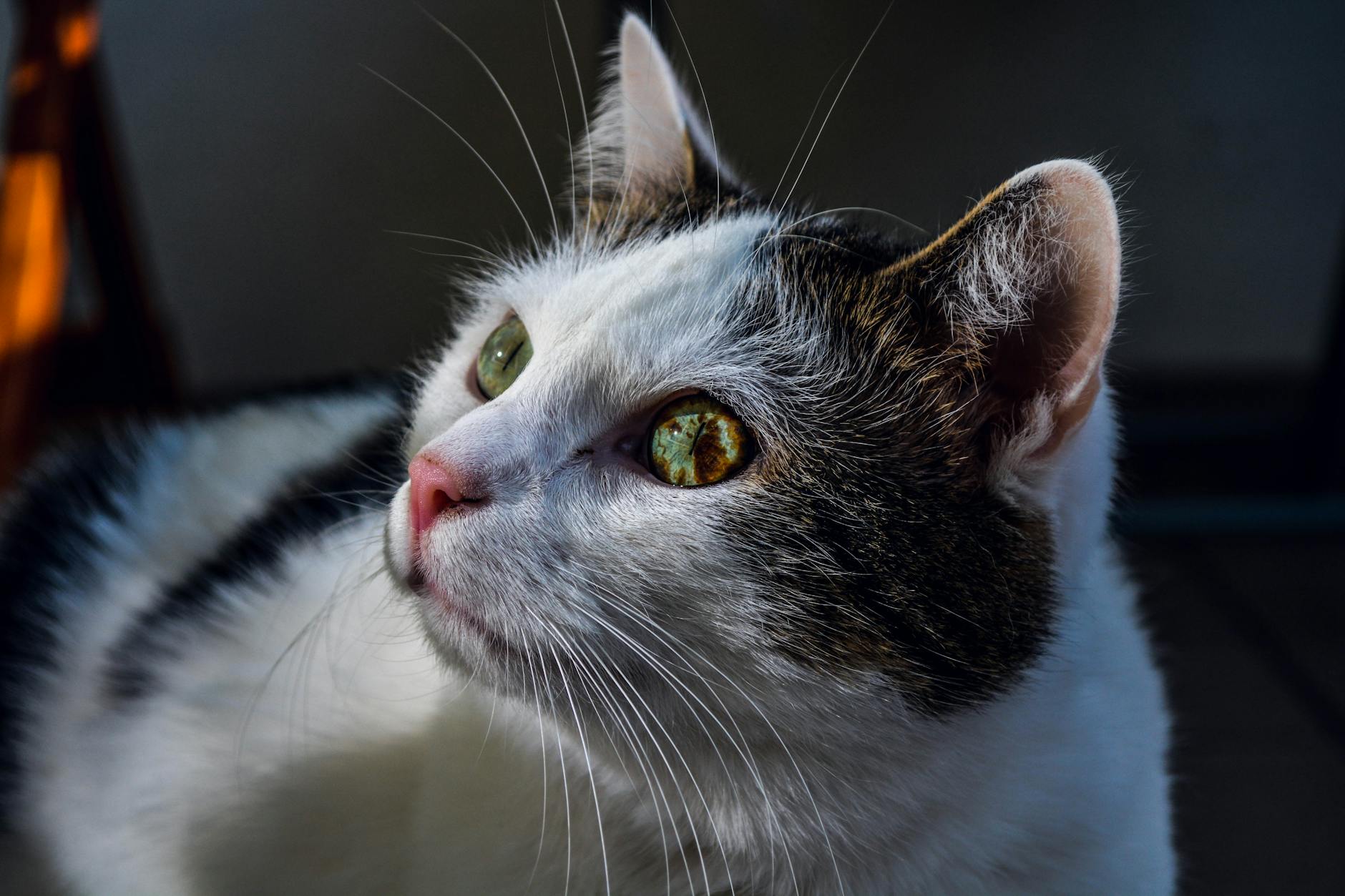
To truly capture the essence of an animal, focus primarily on its eyes. Sharp, well-lit eyes can convey emotion and personality, anchoring your photograph and drawing viewers in. Whether you're focusing on a dachshund's soulful gaze or a parrot's inquisitive look, clear focus on the eyes adds an emotive touch that often resonates with pet owners.
Incorporate Scenic Elements
Incorporating scenic elements in your backdrop can enrich your pet photography, much like the creative scenes found at Federation Square. Integrate natural elements like foliage or urban structures to frame your subject uniquely. Not only do these settings provide context, but they also offer a storytelling backdrop that complements the pet's character.
Remember, if you’re working with a client from the Brisbane area, local services like pet sitting brisbane can be a useful reference for location-based shoots or when collaborating on projects.
Post-Processing Tips
Enhance Colors and Textures
In the vibrant world of pet photography, enhancing colors and textures can breathe new life into your images. I often find that adjusting the saturation and contrast helps to make fur patterns and colours pop. In particular, focus on bringing out the intricate details of each pet’s coat, whether it’s a sleek tabby or a fluffy Samoyed. When enhancing textures, be mindful not to overdo it; maintaining a natural look is key to keeping your photographs grounded in realism.
Correct Imperfections
Pet portraits don’t always come out perfectly. From stray hairs to unwanted shadows, small imperfections can distract from your subject. Tools like the healing brush in Photoshop can be invaluable for tidying up such elements. Adjust brightness and remove any spots or blemishes that might detract from the pet's charm. Keep in mind that minimalism is key; the goal is to subtly enhance without altering the pet's natural beauty.
Maintain Realism in Edits
While it’s tempting to go all in with post-processing, maintaining realism should be a priority. The essence of your subject lies in its authenticity. Consider each edit’s impact on the photograph's integrity, ensuring it remains a true representation of the moment. As someone ingrained in Melbourne’s art scene in Fitzroy, authenticity is paramount. It's not only about capturing how pets look but how they feel, embodying their energy and personality without distortion. If you integrate these tips with your pet sitting projects, you'll have a seamless and genuine workflow that clients will find hard to resist.
Best Practices
Keep Expectations Grounded
When photographing pets, it’s essential to set realistic expectations. Pets, like any living subjects, have their own personalities and moods, which can impact the outcome of your photos. By being patient and flexible, you allow those natural moments to shine through, ultimately creating more authentic and memorable images. Whether your shoot takes place in the bustling creative hubs of Federation Square or the vibrant streets of Fitzroy, embrace the unpredictability that comes with capturing your furry friends.
Navigate Surroundings with Confidence
Shooting outdoors can introduce variable factors such as shifting light or curious passersby. If you’re capturing images at the Royal Botanic Gardens or similar tranquil public spaces, consider how the environment might influence your session. Factor in the weather and the best time of day for your desired lighting effect. Moreover, mastering skills like quick lens adjustments and adapting camera settings on the fly can help you manage ever-changing conditions with ease.
Consistent Process for Success
Developing a consistent workflow is crucial in ensuring your pet photography sessions run smoothly from start to finish. Start by organising your kit before heading out, double-checking your camera settings, and planning the sequence of shots you wish to capture. During post-processing, aim for uniformity in stylistic choices while enhancing the natural colours and textures. Consistency not only refines your craft but also elevates your final results, allowing your portfolio to reflect a harmonious blend of creativity and technical skill.